NETWORK
AND
POS
- Date30.10.2020
- TagsNetwork, Retail
- ID448879517
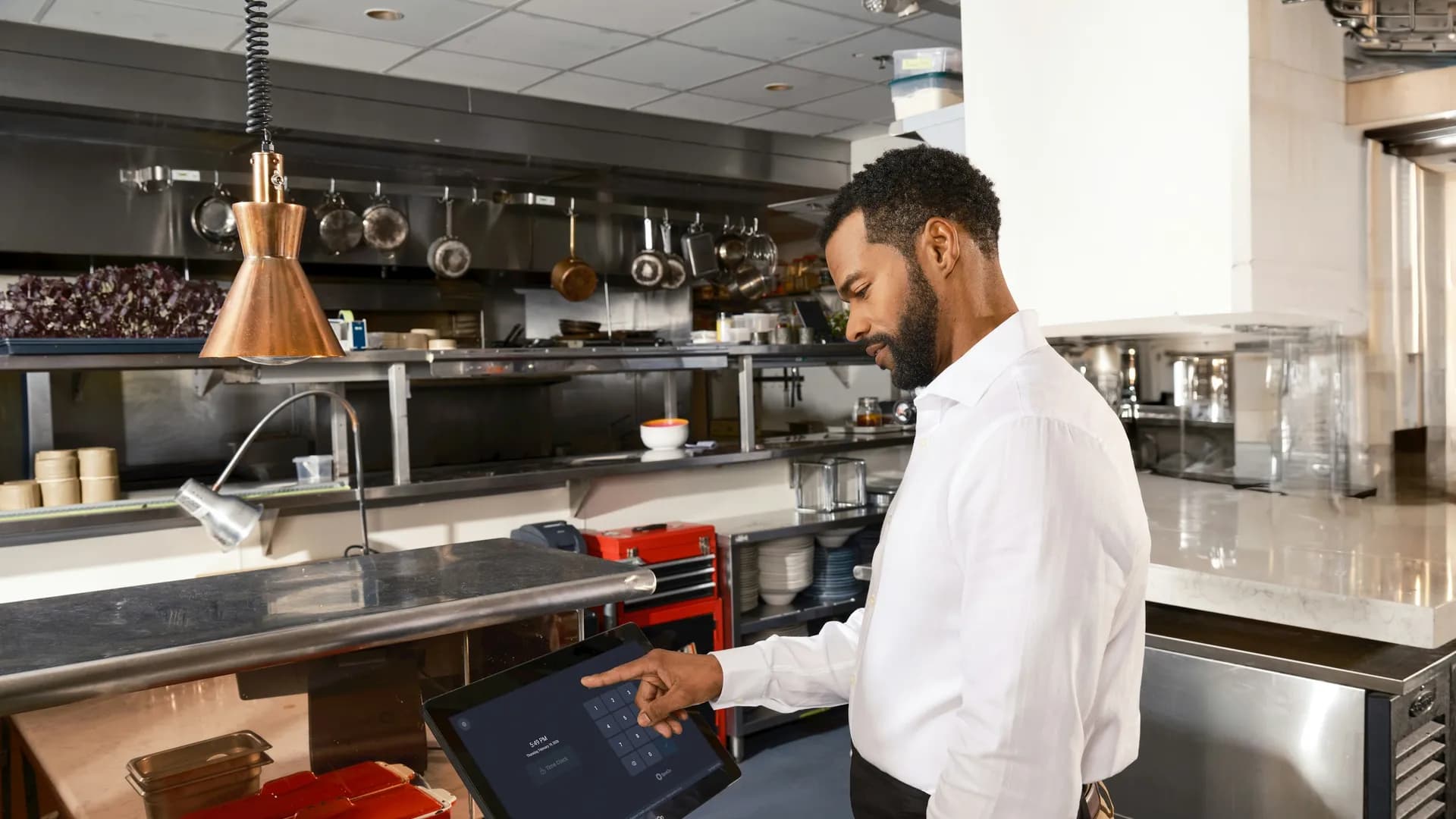
A restaurant that cannot take payment is closed
Whatever the kitchen is doing. Point-of-sale sits in a strange gap: too technical for most maintenance contracts, too operational to leave to whoever installed it.
We treat it like any other piece of equipment in the building — checked on the same visit, logged in the same file, and fixed by someone who has seen your cabling before.
More Field Notes
Article
Service
Year
What a gas soundness test actually proves
Maintenance
2026
The emergency light that lasts two minutes
Fire Safety
2025
Why extraction canopies fail
Maintenance
2024
Grease, ductwork and the fire you do not see
Fire Safety
2024
Logging the temperatures that actually matter
Maintenance
2024
The compliance calendar
Fire Safety
2023
Planned maintenance against reactive repair
Maintenance
2023
What happens on the first service visit
Maintenance
2023
Commissioning readings, and why we keep them
Installation
2023
Fine on paper, marginal in practice
Installation
2023
Filters: the cheapest maintenance there is
Maintenance
2023
What an inspector actually checks
Fire Safety
2023
Water safety in commercial premises
Maintenance
2022
Seals, gaskets and the cost of a draught
Maintenance
2022
Tills, terminals and the network behind them
Maintenance
2020